
In a lot of homes, the bathtub has become the place where the shower curtain lives. Nobody soaks in it, and stepping over the wall every morning is just one more hassle. A tub to shower conversion takes out the tub and puts in a shower that fills the same space, with more room to stand and an easier way in.
Most conversions are done in about a week. While the walls are open, we update the drain, the shower valve, and the waterproofing so the new shower lasts.
Tub conversions are one of several services we offer as a bathroom remodeler, along with walk-in showers and heated floors.
Below is what the swap involves, the shower types to choose from, costs, and when to keep a tub in the house.
What the Conversion Involves
A tub to shower conversion is more than pulling out a tub and dropping in a shower base. Here is the usual order:
- Remove the tub. The old tub and surround come out, and the walls open to the studs.
- Update the drain. A shower drain sits in a different spot than a tub drain.
- Replace the valve. Older homes often need a new pressure balanced or thermostatic valve.
- Inspect the rough plumbing. The city checks the drain and valve work before walls close.
- Build the base and walls. A pan, backer board, and waterproofing go in.
- Finish. Tile or panels, fixtures, and glass complete the shower.
Shower Types and Costs
The type of shower you choose sets most of the price of a tub to shower conversion. Typical national costs are:
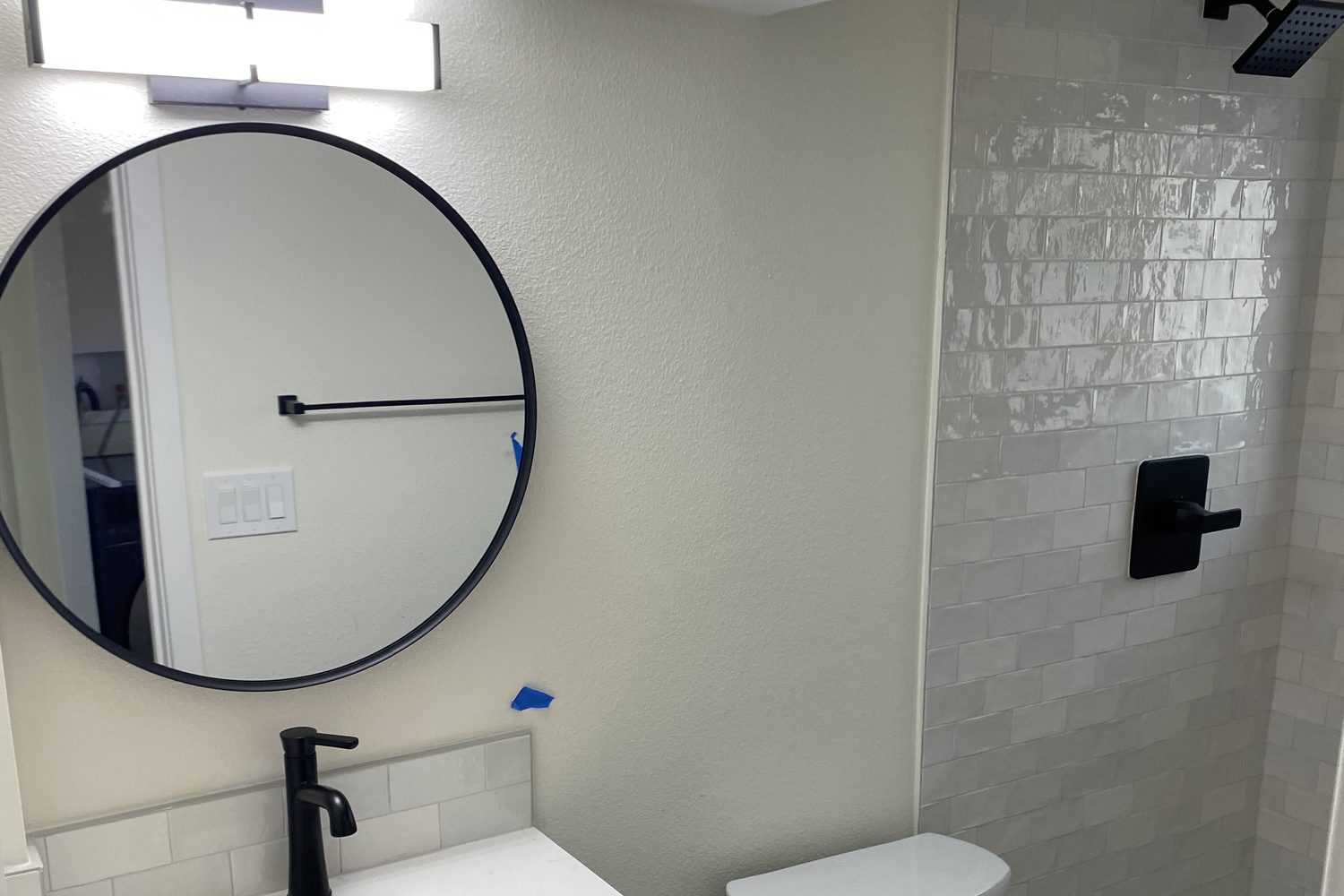
- Prefab stall: about $2,000 to $6,000. Fastest install and fewest grout lines.
- Walk-in shower: about $5,000 to $12,000.
- Tiled shower: about $6,000 to $12,000. The most design options.
- Curbless shower: about $8,000 to $15,000. No step at all, great for aging in place.
Overall, most conversions land between $2,000 and $12,000.
The Plumbing Behind the Wall
The plumbing is where a tub to shower conversion can get more expensive, so we check it before we price the job. Moving a drain line typically costs about $900 to $1,100.
A new shower valve runs about $700 to $1,200, and older homes often need one once the wall is open. Adding or moving supply lines can add $700 or more. Keeping the shower in the original tub footprint is the easiest way to keep these costs down.
Should You Keep a Tub Somewhere?
Before any tub to shower conversion, think about who might buy your house later. Buyers often like walk-in showers in primary and guest bathrooms.
Families with young kids still expect at least one bathtub, though. If this is the only tub in the house and you may sell in the next few years, it can make sense to convert a different bathroom or keep a tub in a hall bath.
Upgrades Worth Adding
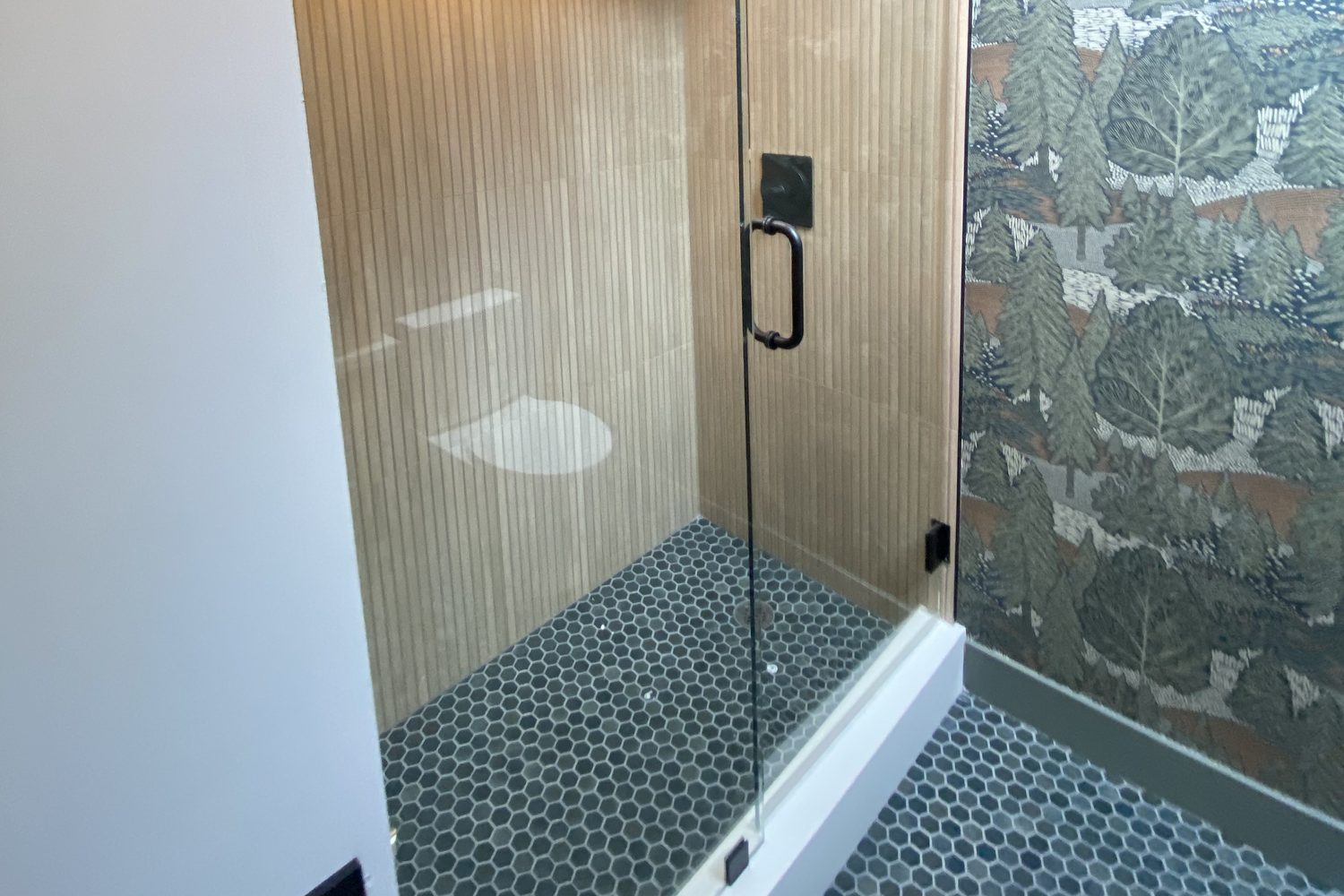
A tub to shower conversion opens the walls, which makes it the cheapest time to add a few upgrades:
- A built-in niche for bottles
- A bench or fold-down seat
- A handheld shower on a slide bar
- Grab bars anchored into blocking in the wall
- A frameless glass panel instead of a curtain
How Long It Takes
Most professional tub to shower conversion projects take about three to seven days. Custom tile and curbless showers can take a week or longer, since tile needs time to set and glass is measured after the tile is done.
The bathroom is out of service during the work, so plan to use another shower in the house for that week.