
Tile looks great in a bathroom until the first cold morning of the year. Then it is the coldest surface in the house, and bath mats only cover so much of it. A heated bathroom floor warms the tile from underneath, so the whole floor feels comfortable underfoot.
We install electric heating mats or cables under new tile, wire them to a programmable thermostat, and have the work inspected before the tile goes down.
Floor heat is one of several services we offer as a bathroom remodeler, and it pairs well with a walk-in shower.
Here is how a heated bathroom floor works, what it costs to install and run, its downsides, and when to add it.
How Floor Heat Works
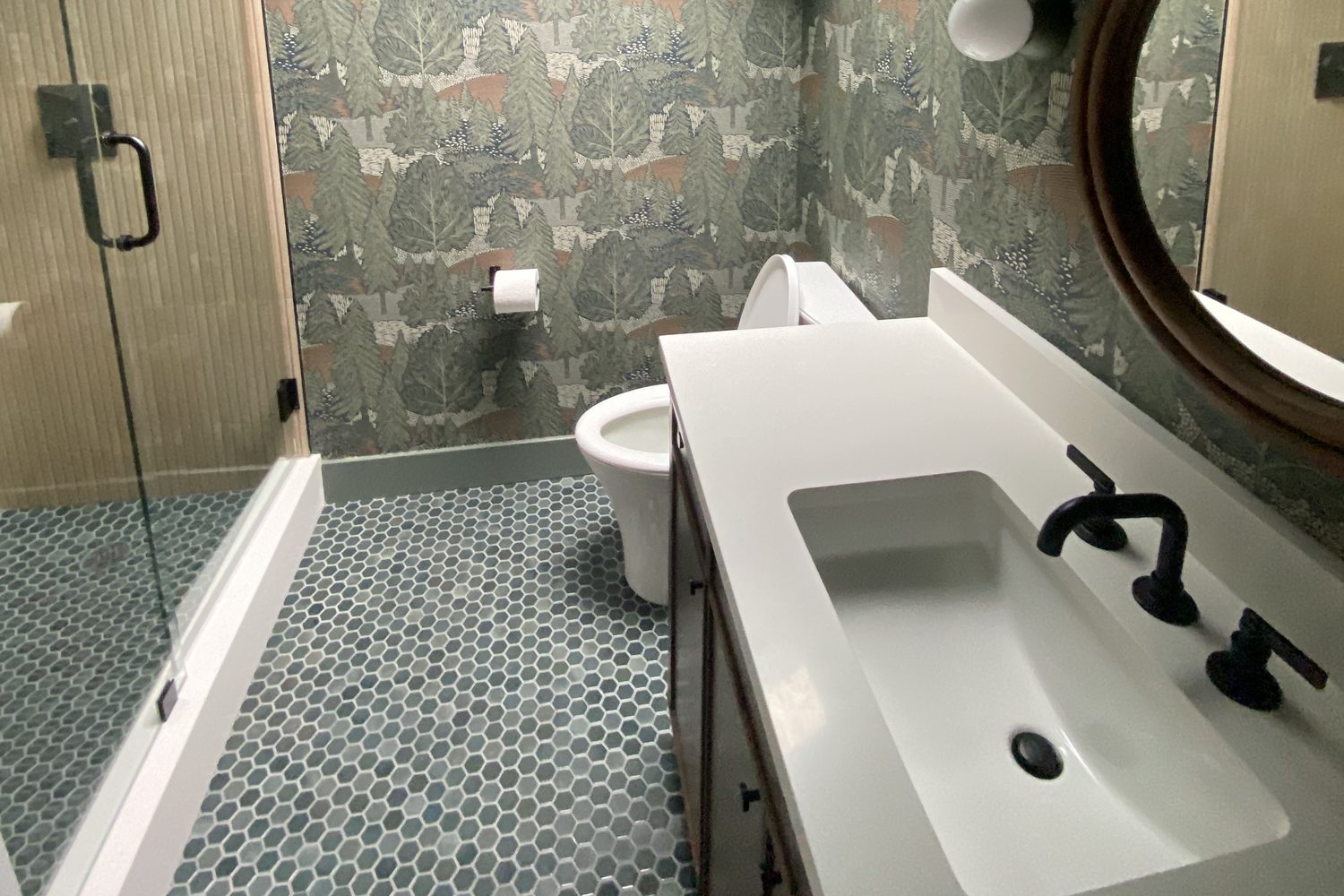
Most bathroom projects use an electric heated bathroom floor rather than a hot water system. Thin heating mats or cables are laid on the subfloor, covered with a thin layer of mortar, and topped with tile or stone.
A thermostat on the wall controls the temperature, and a floor sensor tells it how warm the tile is. Most thermostats can be set on a schedule, so the floor warms up before your alarm and shuts off after you leave for the day. Hot water systems also exist, but they suit whole house heating better than a single bathroom.
What Floor Heat Costs to Install
An electric heated bathroom floor typically costs about $8 to $15 per square foot installed for the heating alone. A typical 40 square foot bathroom runs about $300 to $700 for the heat, or $600 to $1,600 with new flooring.
A larger primary bathroom of about 160 square feet runs about $1,100 to $2,700 for the heat, or $2,400 to $6,400 with new flooring. Each zone needs its own thermostat, which costs about $140 to $350 installed.
What It Costs to Run
Running a heated bathroom floor costs less than most people expect. A single bathroom on a timer often costs about $15 to $20 per month for a few hours of daily use.
Your actual cost depends on electric rates, how well the floor is insulated, and how many hours a day it runs. A schedule that warms the floor in the morning and evening keeps it comfortable without running all day.
Downsides to Know About
A heated bathroom floor has a few tradeoffs worth weighing before you commit:
- Retrofits cost more. Adding heat to an existing floor means removing the old tile, and it can cost 50 to 80 percent more than installing it during a remodel.
- Floor height rises slightly. The mat and mortar add a little height, which matters at doorways.
- Not for whole house heat. Electric floor heat is best in single rooms you warm on a schedule.
- Panel capacity. Large systems may need an electrical panel upgrade.
- No drilling. Never screw into a heated floor without knowing where the cables run.
The Best Time to Add It
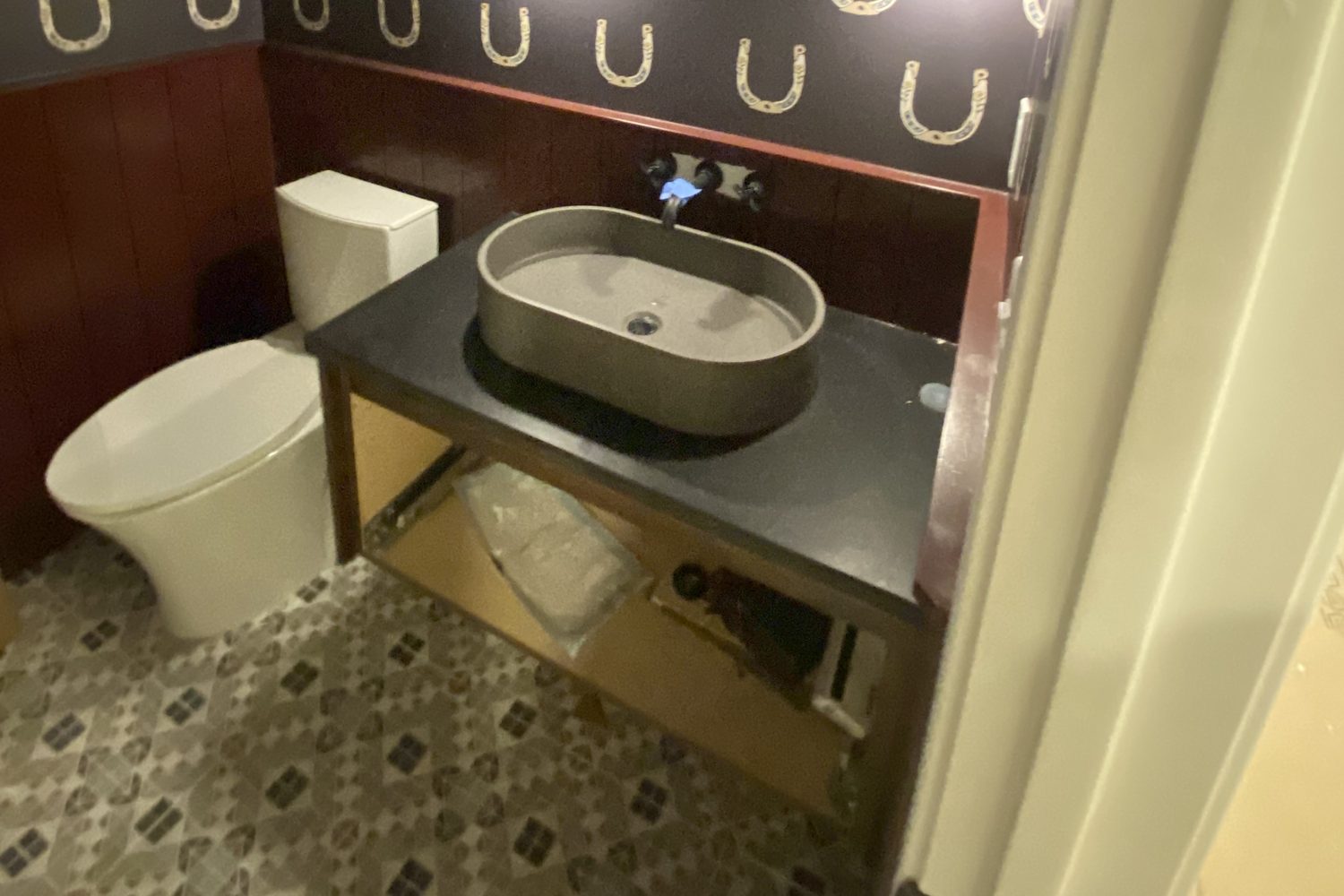
The easiest and cheapest time for a heated bathroom floor is during a full bathroom remodel, when the old floor is already coming up. The mat goes down after the subfloor is prepped and before the tile.
We lay out a heated bathroom floor only where you will stand, skipping the space under the vanity and toilet. The electrician tests the mat before and after the mortar goes down, so any problem is caught before the tile covers it.
Permits and Wiring
Because it adds a circuit, a heated bathroom floor needs a city electrical permit. Most bathroom systems run on a dedicated circuit with ground fault protection.
A licensed electrician makes the connections, and the city inspects the wiring before the floor is covered. Heating cables typically last 30 to 50 years, and the thermostat is the part most likely to need replacing someday.